Why Drunken Noodles Are One of Thailand’s Best-Known Dishes
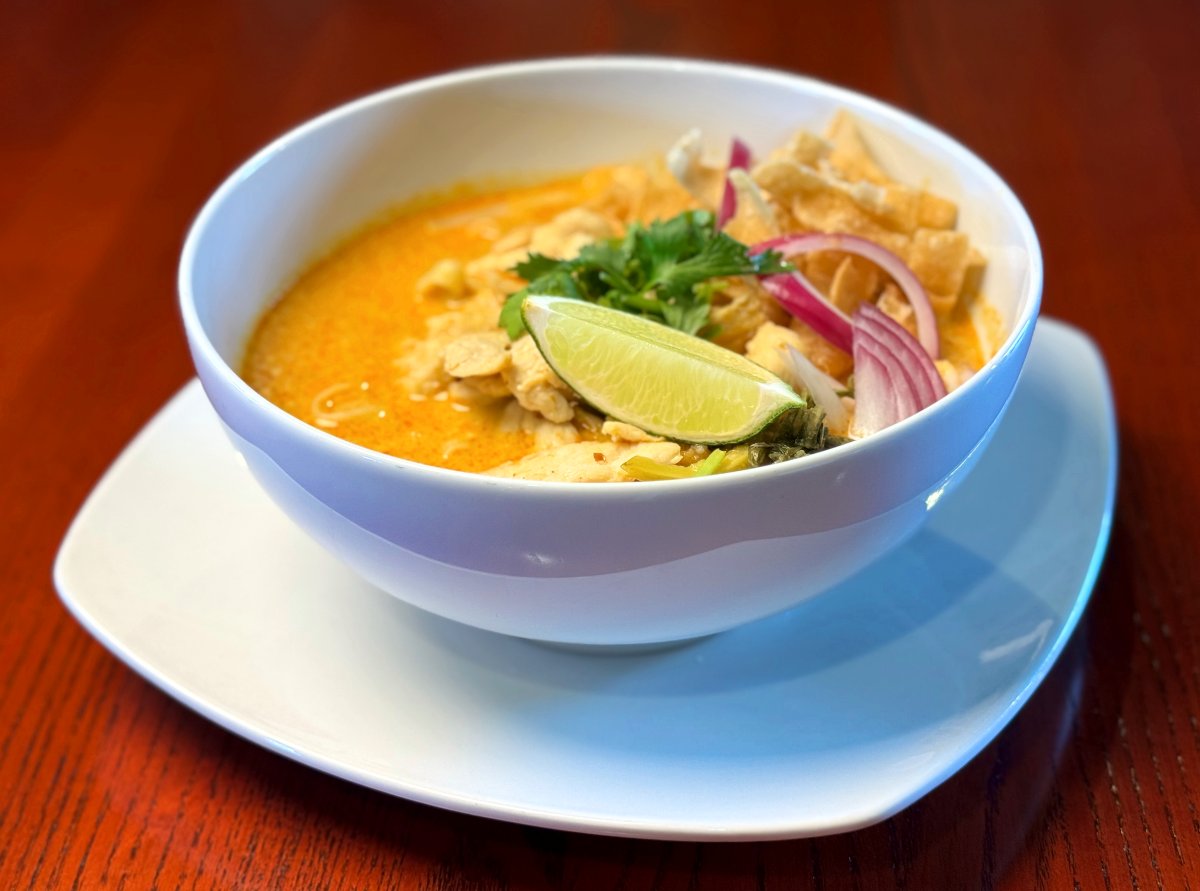
There are Thai dishes that charm quietly, and then there are dishes that arrive with heat, aroma, and swagger. Drunken Noodles belong firmly in the second group. Known in Thai as pad kee mao, this stir-fried noodle dish has become one of the most recognizable items on Thai restaurant menus around the world, sitting comfortably beside pad thai, green curry, and tom yum soup. That popularity is not an accident. Drunken Noodles are bold where other noodle dishes are balanced, loose where others are neat, and deeply satisfying in a way that feels both immediate and memorable.
Part of the appeal is simple enough to grasp after a single bite. Wide rice noodles soak up savory sauce while still keeping their chew. Thai basil throws off a warm, peppery perfume. Fresh chilies bring a heat that is often direct rather than subtle. Garlic, soy sauce, oyster sauce, and often a little fish sauce work together to create a dark, glossy coating that clings to every strand. Add chicken, beef, pork, shrimp, or tofu, and the dish becomes a full meal rather than a side thought.
Yet the real reason Drunken Noodles have become so well known goes beyond flavor alone. The dish captures several essential qualities of Thai cooking at once: speed, intensity, flexibility, and contrast. It is also one of those rare restaurant dishes that manages to travel well across borders. Even when adapted for local tastes, it usually keeps enough of its original character to remain recognizable. That matters more than many people realize.
A dish with attitude
Some foods are famous because they are delicate and refined. Others become famous because they are unmistakable. Drunken Noodles are unmistakable.
If you have ever stood near a hot wok station in a busy Thai kitchen, you know the dish announces itself before it reaches the table. The wide noodles hit the wok and soften further in the sauce. Garlic and chilies bloom almost instantly in the oil. Basil goes in late, wilting just enough to perfume the whole pan. The cook moves fast because the margin for error is small. A few seconds too long and the noodles break down. Too cautious with heat and the dish tastes flat. Too much liquid and the wok cannot do its work.
That intensity gives Drunken Noodles an edge. Unlike pad thai, which often leans on sweet, sour, and nutty notes for broad appeal, Drunken Noodles usually present themselves as savory, spicy, herbal, and smoky. There is often a faint char from the wok, especially in strong restaurant versions. That char matters. It adds depth and creates the sense that the dish was made in one fierce burst rather than assembled politely.
People remember foods with that kind of energy. In a crowded field of noodle dishes, Drunken Noodles stand out because they taste alive.
The name helps, but the flavor carries it
The name is part of the dish’s mystique. “Drunken Noodles” is a translation that sparks curiosity immediately. It sounds mischievous and slightly theatrical, which helps on menus. Diners ask about it. Servers explain it. Friends recommend it to each other with a grin.
The exact origin of the name is not settled in any single, universally accepted story. Some say it is the ideal late-night meal after drinking. Others suggest the spice level is fierce enough to sober someone up, or at least make them notice what they are eating. There are also stories about a cook improvising the dish while intoxicated, though those accounts drift more into folklore than firm culinary history.
What matters is that the name invites attention, but the dish earns repeat orders on merit. Plenty of menu items have memorable names and forgettable flavors. Drunken Noodles survive the first impression because the eating experience is so complete. The dish is salty, hot, aromatic, a little sweet in some versions, and deeply comforting without being heavy in the way cream-based comfort foods are heavy.
That combination of intrigue and satisfaction is one reason it became a restaurant favorite outside Thailand. A dish that gets ordered once out of curiosity and then again because it was genuinely good has a real path to becoming a classic.
Wide noodles, big flavor, immediate pleasure
Texture is one of the least discussed reasons for the dish’s fame, but it is crucial. Drunken Noodles are usually made with broad rice noodles, often fresh rather than dried when possible. Fresh noodles have a suppleness that dried noodles struggle to match. They fold rather than snap. They absorb sauce while retaining body. They also provide a broad surface area, which means every bite carries more seasoning and more contact with the wok.
That sounds technical, but the effect is straightforward. Wide noodles feel luxurious in the mouth. They make the dish seem generous. Compare that with thinner noodle dishes, where sauce may dominate but the noodle itself can fade into the background. In Drunken Noodles, the noodle is not a vehicle. It is the point.
There is also something satisfying about the irregularity of the dish. A properly made plate does not look fussy. The noodles tangle with strips of meat and chunks of vegetables. Basil leaves cling here and there. Some bites are hotter than others. A little sauce gathers at the bottom. This is not a dish that aims for symmetry. It aims for momentum.
That rough, wok-fired quality resonates with diners because it feels real. It tastes cooked, not composed.
Thai basil changes everything
Drunken NoodlesOne ingredient separates Drunken Noodles from a hundred other stir-fried noodle dishes: Thai basil. Without it, the dish can still be decent, but it loses its signature profile.
Thai basil is more assertive than sweet Italian basil. It brings an anise-like edge, a peppery lift, and a fragrance that can cut through oil, heat, and savory sauce without disappearing. Add it too early and it turns dull. Add it late and it stays vivid. Good cooks know that timing instinctively.
The basil also does something important structurally. It prevents the dish from becoming one-note. Savory stir-fried noodles can easily slide into heaviness if the sauce is dominant and the heat is blunt. Thai basil keeps the top notes active. It gives the palate somewhere to go besides salt and spice.
This is one reason even average versions of Drunken Noodles can be appealing. If the noodles are a touch overcooked or the protein is ordinary, the basil can still rescue the dish with aroma and freshness. In stronger versions, it becomes the bridge between the wok’s smoky depth and the chilies’ sharp attack.
Restaurant cooks understand this well. If a plate of Drunken Noodles reaches the dining room without that unmistakable basil aroma, something has gone wrong.
It showcases the Thai genius for balance, even when it tastes aggressive
To someone new to Thai cuisine, Drunken Noodles may read as pure heat and salt. Spend more time with the dish and a more nuanced picture appears. The best versions are balanced, just not in a quiet way.
Thai cooking is often described through the interplay of sweet, sour, salty, spicy, and bitter. Not every dish presents all of these with equal weight, and Drunken Noodles are a good example. They tend to foreground savory and spicy notes. A little sweetness, often from sauce or sugar, rounds the edges. Vegetables such as baby corn, bell pepper, onion, or Chinese broccoli add crunch and occasional bitterness. Lime is not always standard in the wok itself, but a squeeze at the table can sharpen the whole plate.
This is where experience matters. Many restaurant versions outside Thailand overdo sweetness because it plays well with broad audiences. Others push soy sauce so far that the dish tastes muddy. The strongest plates avoid both traps. They hit hard, yes, but they are not clumsy. Heat should wake up the dish, not flatten it. Sauce should coat the noodles, not drown them.
When Drunken Noodles are right, they demonstrate a central truth about Thai food: intensity and balance are not opposites.
Adaptable enough to travel, distinctive enough to survive adaptation
A lot of dishes lose themselves when they leave their home country. Ingredients change, techniques soften, and the finished plate becomes a vague international version of the original. Drunken Noodles have resisted that fate better than many.
Part of the reason is structural flexibility. The dish can accommodate different proteins without losing its identity. Chicken works. Beef works especially well because it stands up to the sauce. Shrimp adds sweetness. Tofu can be excellent if handled properly. Even mixed seafood versions appear in some places. The vegetable mix can shift depending on availability. Some kitchens use Chinese broccoli. Others rely on bell peppers, onions, carrots, or mushrooms. As long as the wide rice noodles, heat, basil, and savory stir-fry profile remain in place, the dish still reads as Drunken Noodles.
That flexibility has been a major advantage in global restaurant culture. It allows chefs and owners to work with local supply chains while offering something that still feels authentic enough to satisfy regulars. It also lets home cooks attempt the dish without needing an exact shopping list from Bangkok.
There is a trade-off, of course. Flexibility can invite drift. Some versions become too sweet, too oily, or too mild. Some lose the basil. Some replace the proper noodles with whatever is easiest to source. But unlike more delicate dishes, Drunken Noodles have enough force of character to survive moderate compromise. The core idea is strong.
That has helped the dish spread.
It suits the pace of restaurant kitchens
Another reason Drunken Noodles became widely known is less romantic but no less real: it works well in restaurants.
A good stir-fry noodle dish fits the mechanics of service. Once the mise en place is ready, the dish cooks fast. In a busy Thai kitchen, speed matters. Noodles, sliced protein, sauces, aromatics, and vegetables can be portioned in advance. When the order comes in, the cook can finish the dish in minutes if the wok station is hot enough and the workflow is tight.
Fast cooking does not guarantee quality, but it helps explain why the dish became a dependable menu staple. Diners want something satisfying and substantial. Restaurants want dishes that move efficiently during lunch and dinner rushes. Drunken Noodles do both.
There is also the visual factor. Plates of Drunken Noodles look abundant. The glossy noodles and bright basil create immediate appetite appeal. In practical restaurant terms, it photographs well, smells compelling, and eats as a full meal. Those qualities matter in dining rooms, on takeout menus, and now on delivery apps, where dishes compete on memory and first impression.
Not every famous dish earns its place because it is easy to execute. Drunken Noodles are not easy to do exceptionally well. But they are practical enough to become common, and charismatic enough to become beloved.
Heat with purpose
Spice is often used badly in restaurant food. It can become a gimmick, or a substitute for depth. In Drunken Noodles, when the dish is handled properly, chili heat serves a clear purpose.
Fresh Thai chilies, or substitutes depending on geography, cut through the richness of oil and sauce. They keep the palate alert through a relatively heavy plate of noodles. They also create the physical sensation many diners seek when ordering Thai food, that light sweat, quickened breathing, and sharpened appetite that turns dinner into an event rather than a transaction.
There is a practical side to this too. Drunken Noodles adapt well across spice tolerances. A skilled cook can tone the chilies down for cautious diners or turn the heat up for regulars who know exactly what they want. The dish remains recognizable at both levels, though the best versions usually carry enough heat to justify the name’s swagger.
This makes the dish unusually democratic. A first-time diner can order a milder version and still enjoy the basil and savory sauce. A spice enthusiast can order it hot and get a very different experience from the same template. Few noodle dishes are so accommodating without losing their identity.
Why people keep coming back to it
Fame in food is one thing. Staying power is another. Plenty of dishes surge in popularity because they are novel, photogenic, or easy to market, then settle into the background once the excitement passes. Drunken Noodles have had a longer life because they satisfy on repeat.
The reasons are familiar to anyone who has eaten them more than once. The dish is substantial without being static. It works for lunch, dinner, late-night eating, and takeout. It can be comforting in cold weather and still appealing in heat because the basil and chilies keep it lively. It can be ordered with meat or without. It can feel indulgent or practical depending on the portion and setting.
Most importantly, it rewards appetite rather than mere curiosity. That may sound obvious, but it separates true staples from novelty dishes. If you are tired, hungry, and want something dependable, Drunken Noodles make sense. If you are introducing someone to Thai food and want a dish with personality, they also make sense.
That dual role is rare. It can be both gateway dish and regular order.
The gap between an average plate and a great one
Because Drunken Noodles are so common, they suffer from familiarity. People assume the dish is straightforward. In reality, the difference between acceptable and excellent is wide.
A mediocre version usually shows one or more predictable flaws. The noodles are clumped or broken. The sauce is too sweet, too salty, or too wet. The vegetables are limp. The protein is overcooked. The basil is sparse or added so early that its aroma has vanished. The heat tastes harsh rather than integrated. The whole thing fills the stomach without saying much.
A great version feels almost effortless, though it never is. The noodles are glossy and distinct. The sauce coats but does not flood. The vegetables still retain bite. Basil arrives fragrant and fresh. The heat builds in layers rather than shouting from the first second. There is just enough wok char to suggest skill without tipping into bitterness.
If you want to understand why the dish has such a strong reputation, seek out the latter. One excellent plate explains years of menu loyalty.
A quick guide to what makes the dish work
When cooks and diners talk Click for more info seriously about Drunken Noodles, the same core elements tend to come up again and again:
- Wide rice noodles with chew, not mush.
- Strong wok heat that creates a little smoke and char.
- Thai basil added late enough to stay aromatic.
- A savory sauce profile that stays balanced rather than sugary.
- Chili heat that supports the dish instead of overwhelming it.
Those points sound simple on paper. In practice, each one asks for judgment. Fresh noodles can stick if handled carelessly. Wok heat can burn garlic in seconds. Basil can disappear if mistreated. Sauce ratios shift depending on brand and salt level. Chilies vary wildly in strength. This is one reason the dish continues to command respect among cooks. It is forgiving enough to be popular, but demanding enough to reveal skill.
What its popularity says about Thai food abroad
Drunken Noodles tell an interesting story about how Thai cuisine has been received internationally. The dishes that become widely known outside their home country are not always the most representative, nor the most revered within that cuisine. They are often the ones that can translate. They need enough distinction to remain memorable, enough flexibility to fit restaurant economics, and enough immediate pleasure to win over new diners.
Drunken Noodles check all those boxes. They do not require extensive explanation. They arrive as a complete plate. They satisfy diners who want spice, diners who want noodles, and diners who want a hearty stir-fry. They also introduce people to Thai basil, fish sauce, wok cooking, and the specific type of savory heat that marks many Thai dishes.
In that sense, the dish acts as an ambassador. Not a perfect one, because no single dish can carry the range of an entire cuisine, but a useful one. Someone who starts with Drunken Noodles may move on to pad see ew, basil stir-fries, curries, larb, or regional specialties. A familiar plate opens the door.
That is part of why the dish matters beyond its own popularity. It has helped shape international understanding of Thai food, for better and sometimes for simplification, but undeniably.
Why the dish still deserves its reputation
Some famous foods are overrated. Drunken Noodles are not among them. Even with the uneven quality that comes from wide global popularity, the dish remains one of Thailand’s best-known creations for good reason. It is flavorful without apology, adaptable without becoming generic, and grounded in technique despite its casual image.
It also captures a quality people often seek in restaurant food and seldom name directly: generosity. Generosity of aroma, of heat, of portion, of texture, of immediate pleasure. The dish does not whisper. It gives.
That is why people remember it, recommend it, and crave it. Not because the name is clever, though it is. Not because it is merely spicy, though it can be. Drunken Noodles endure because they deliver the thing that great popular dishes always deliver, a clear identity and a deeply satisfying experience, plate after plate, year after year.